XD / Moleskine
Moleskine
Experience Design — E-Commerce Strategy,
Interaction Design & Product Discovery
Conceptual framework and interaction design that won the pitch and carried into the build of Moleskine's first brand-led e-commerce experience — user insights translated into a product discovery framework that guided customers to the right notebook. Developed at LBi for Moleskine.
Strategy
(Insert: wireframes — utilitarian filter / product discovery system, dated 2013)
(Insert: competitive analysis reference — Apple, dated 2013)
UX
(Insert: elastic-band → spectrum framework sketch, dated 2013)
(Insert: product matrix, developed with business analyst Alana, dated 2013)
The Challenge
Add original ecommerce experience
Moleskine came to LBi needing two things: a digital introduction to a brand built almost entirely on physical materiality, and an e-commerce experience worthy of it. What existed was functional but barely — an outdated online store that didn't reflect the brand, wasn't responsive, and didn't come close to conveying the depth of the product line. The brand's client lead, Peter — who'd come from Lego — understood the parallel immediately: both brands carried a universality and fandom that ran deeper than their product category. He brought a clear target audience and business goals to the engagement: business professionals who shopped online, a brand identity that straddled the creative and the analytical, and a product line far deeper than most customers realized. He was also a longtime Evernote user, genuinely curious about how his generation was starting to sketch across screens as much as paper. The question wasn't just how to sell a notebook online — it was how to build an experience that finally matched what the brand actually meant to people.
The Process
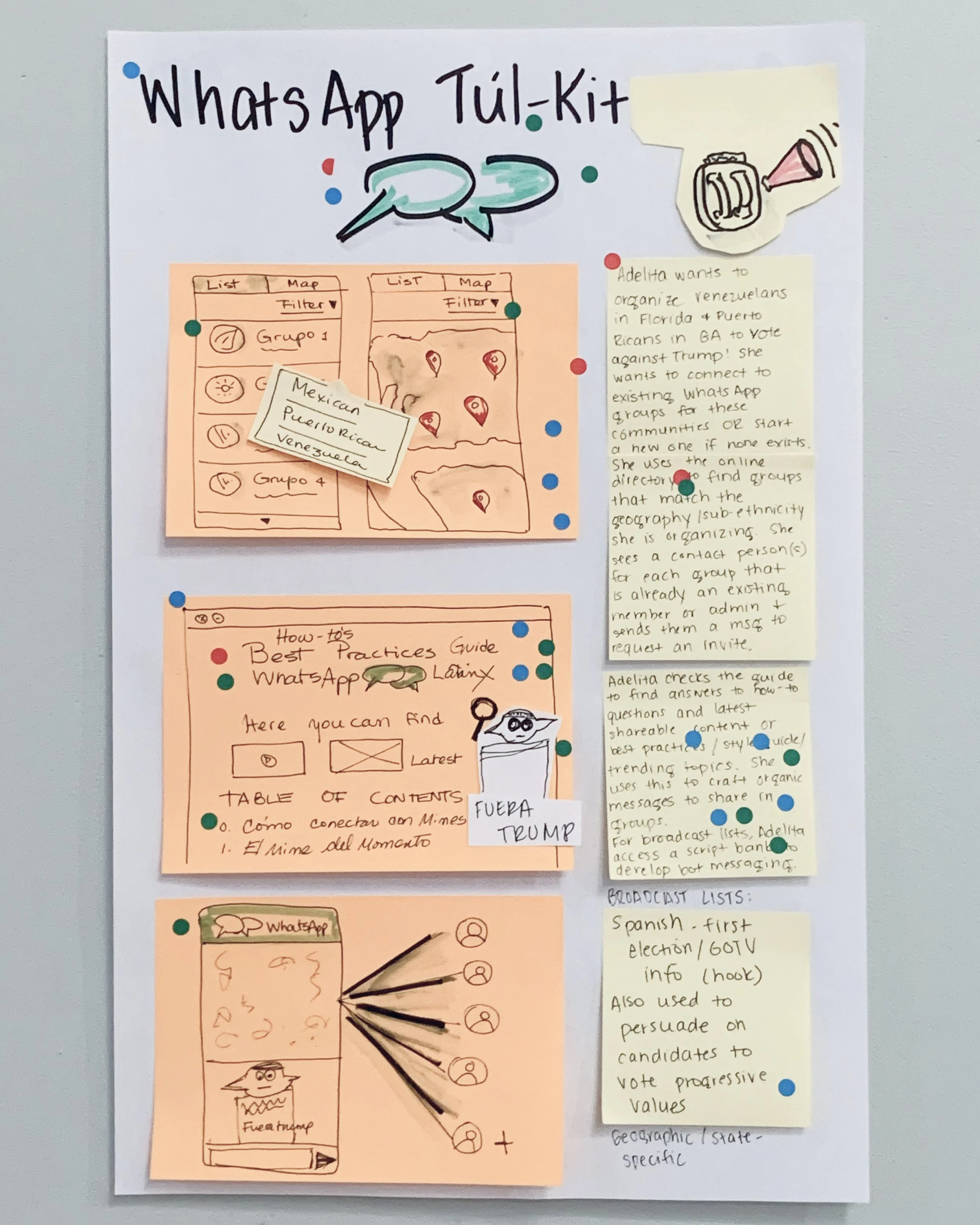
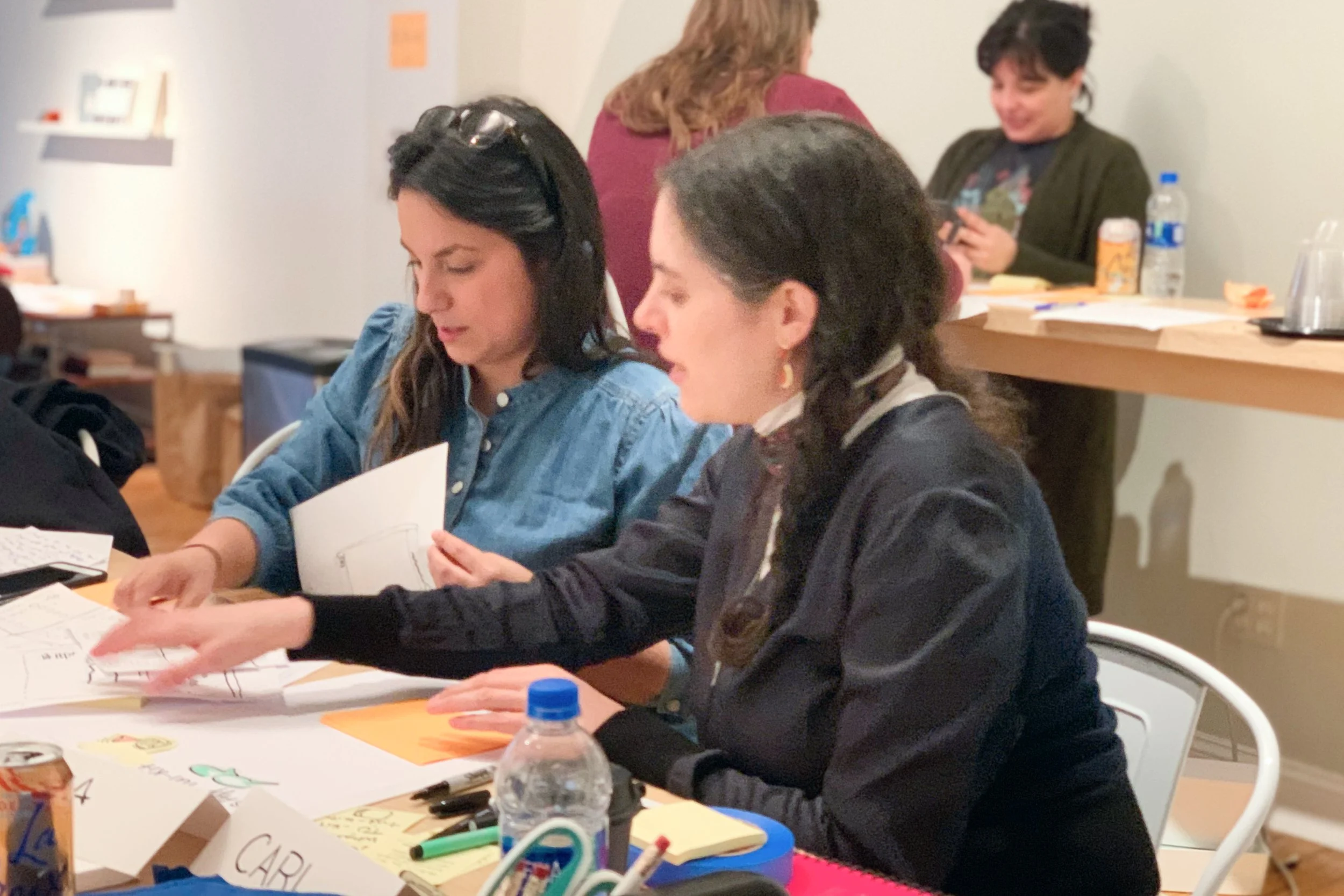
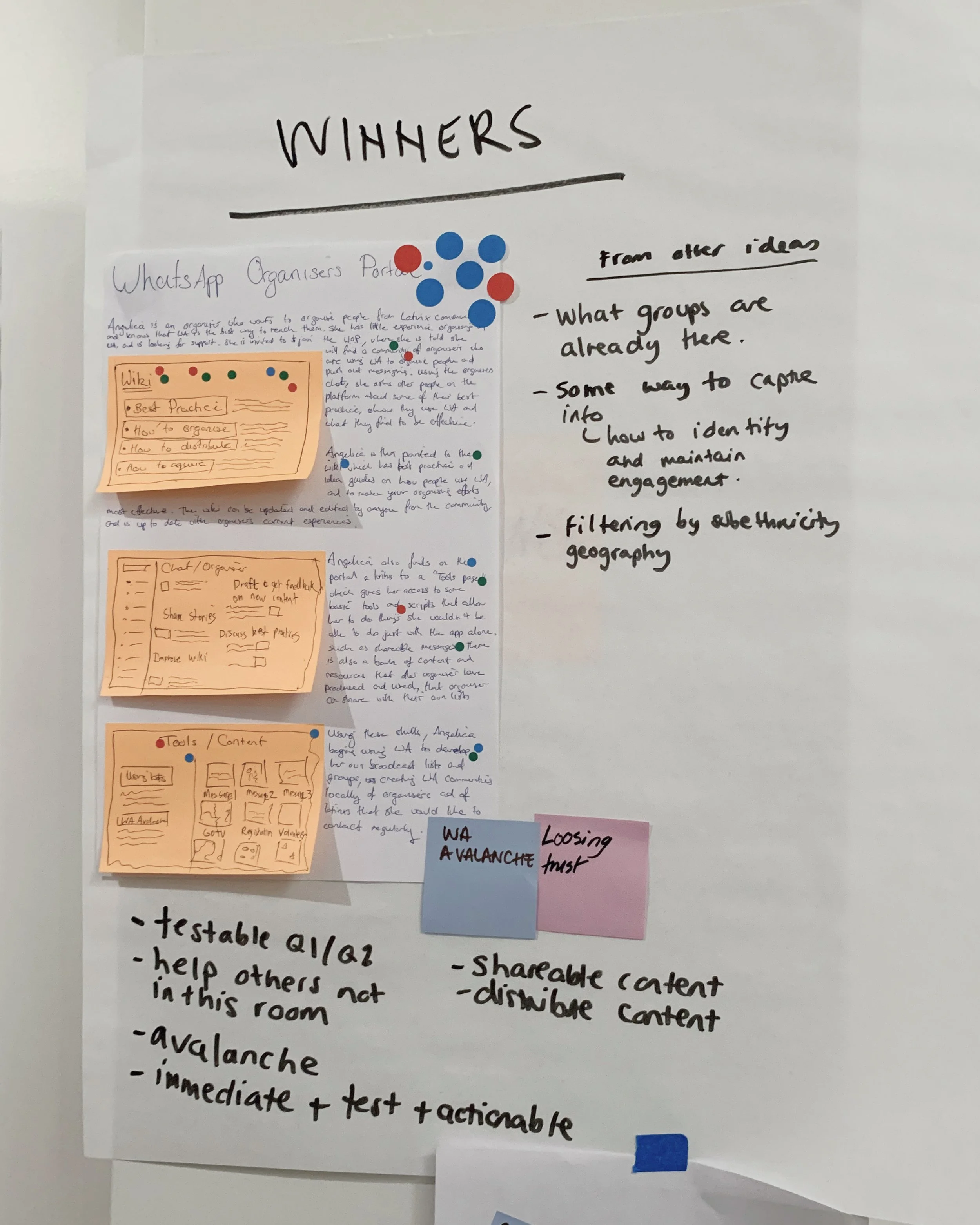
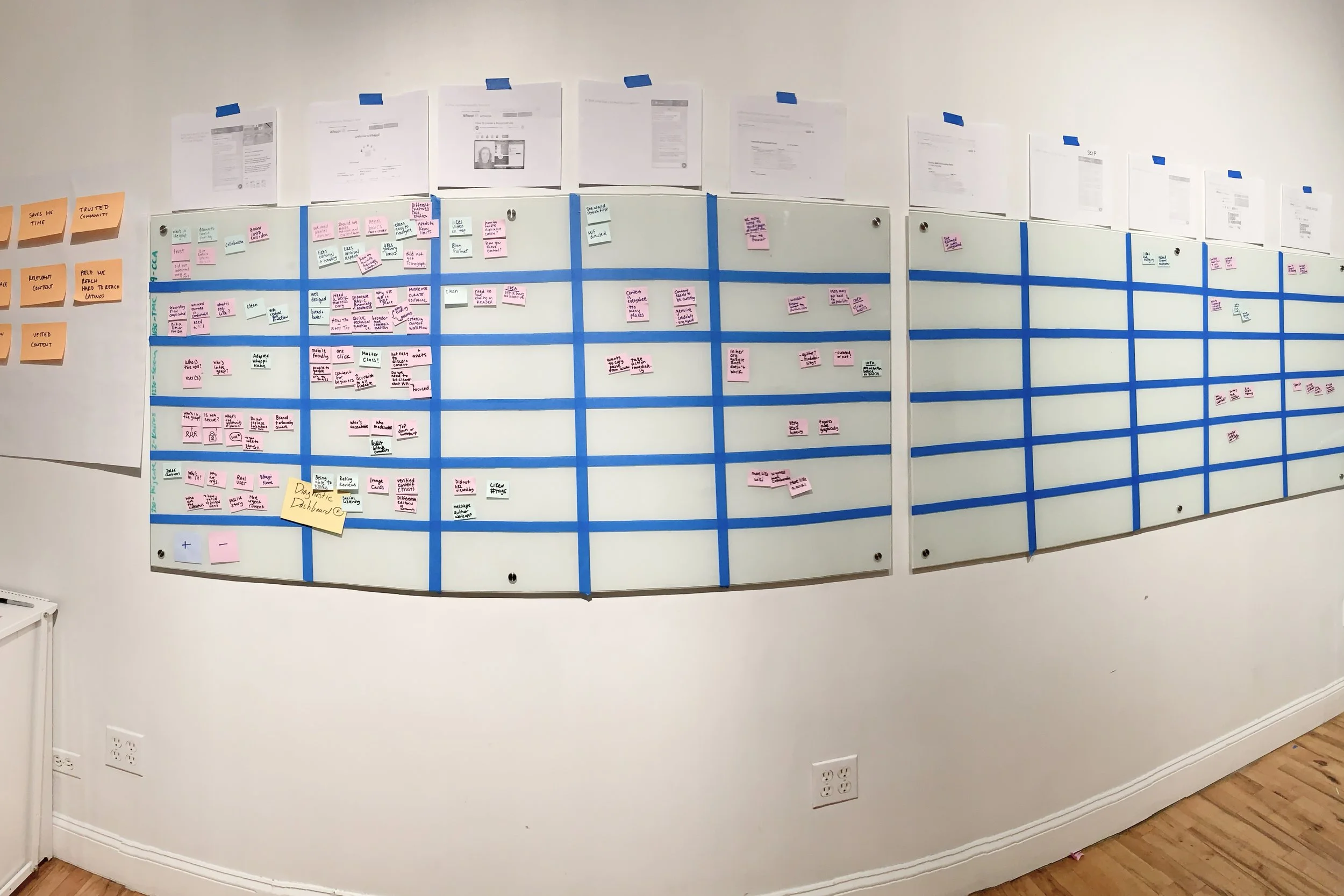
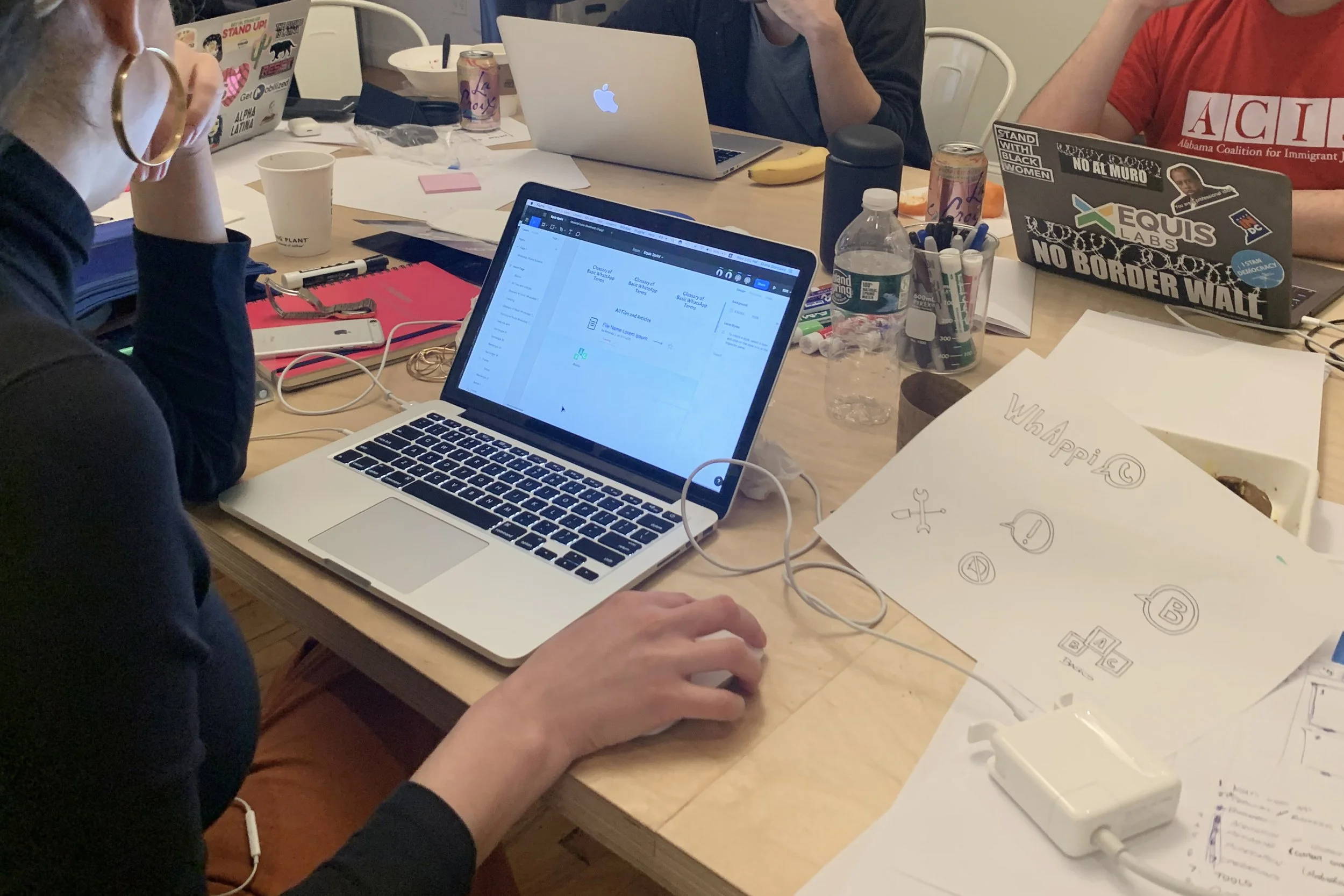
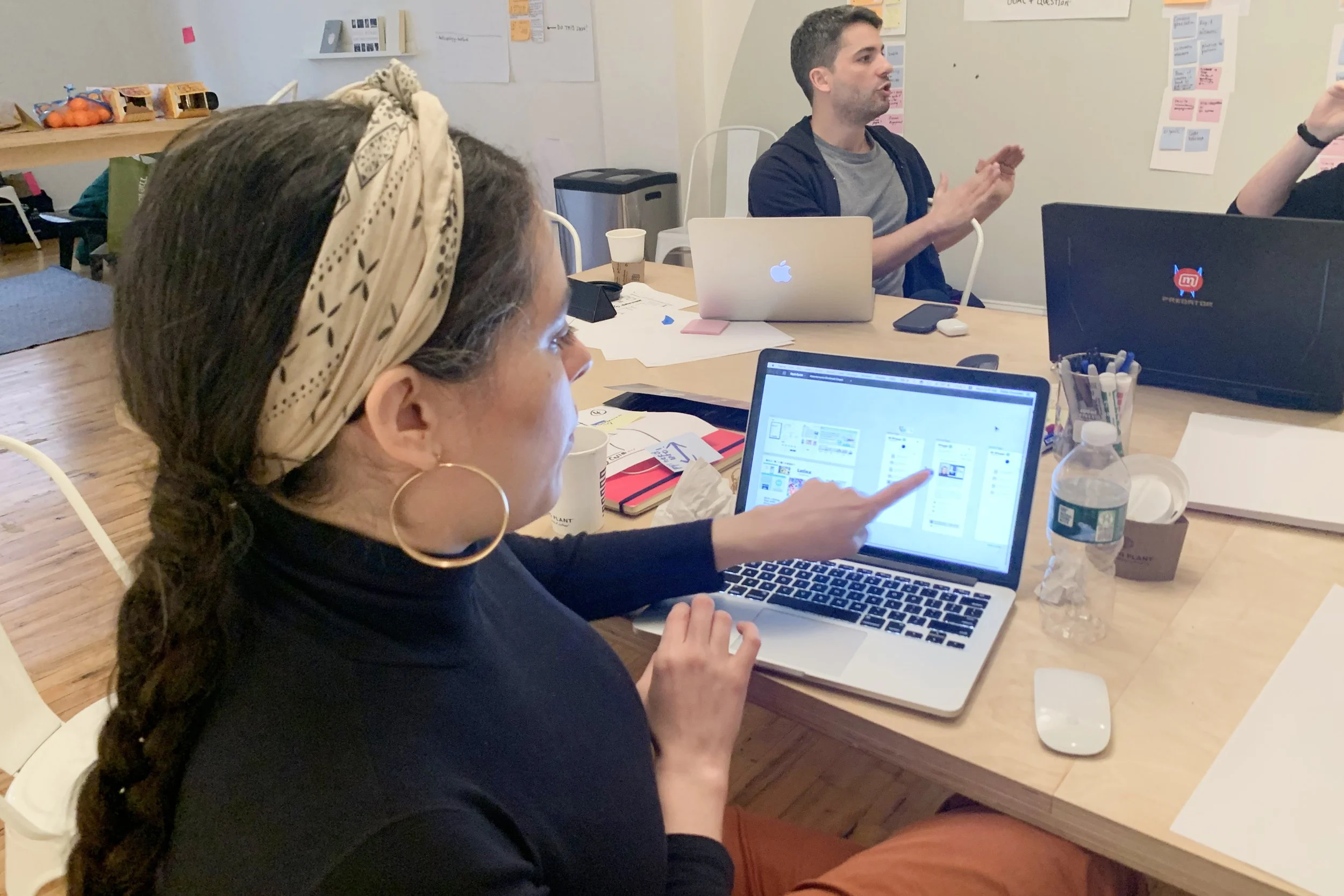
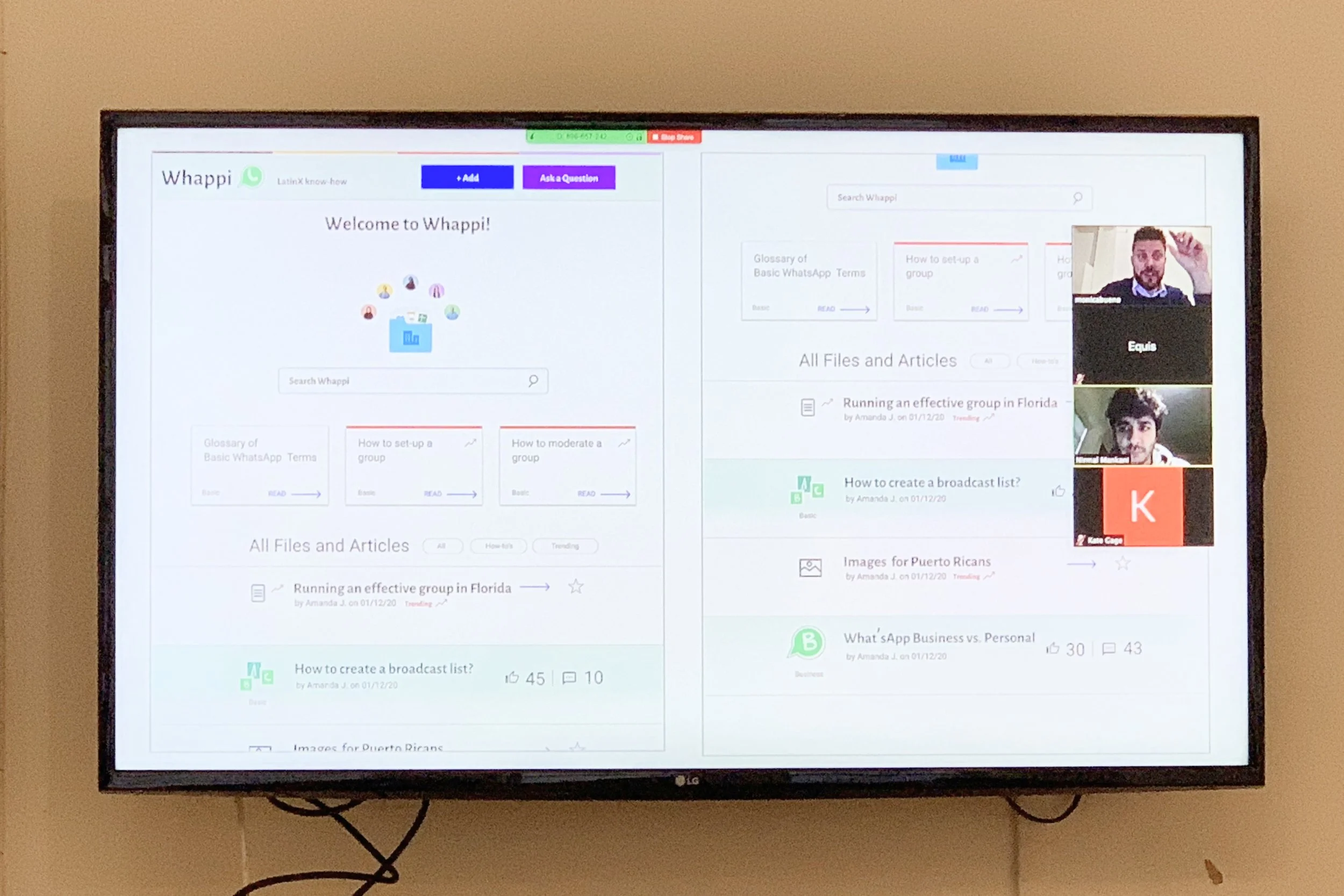
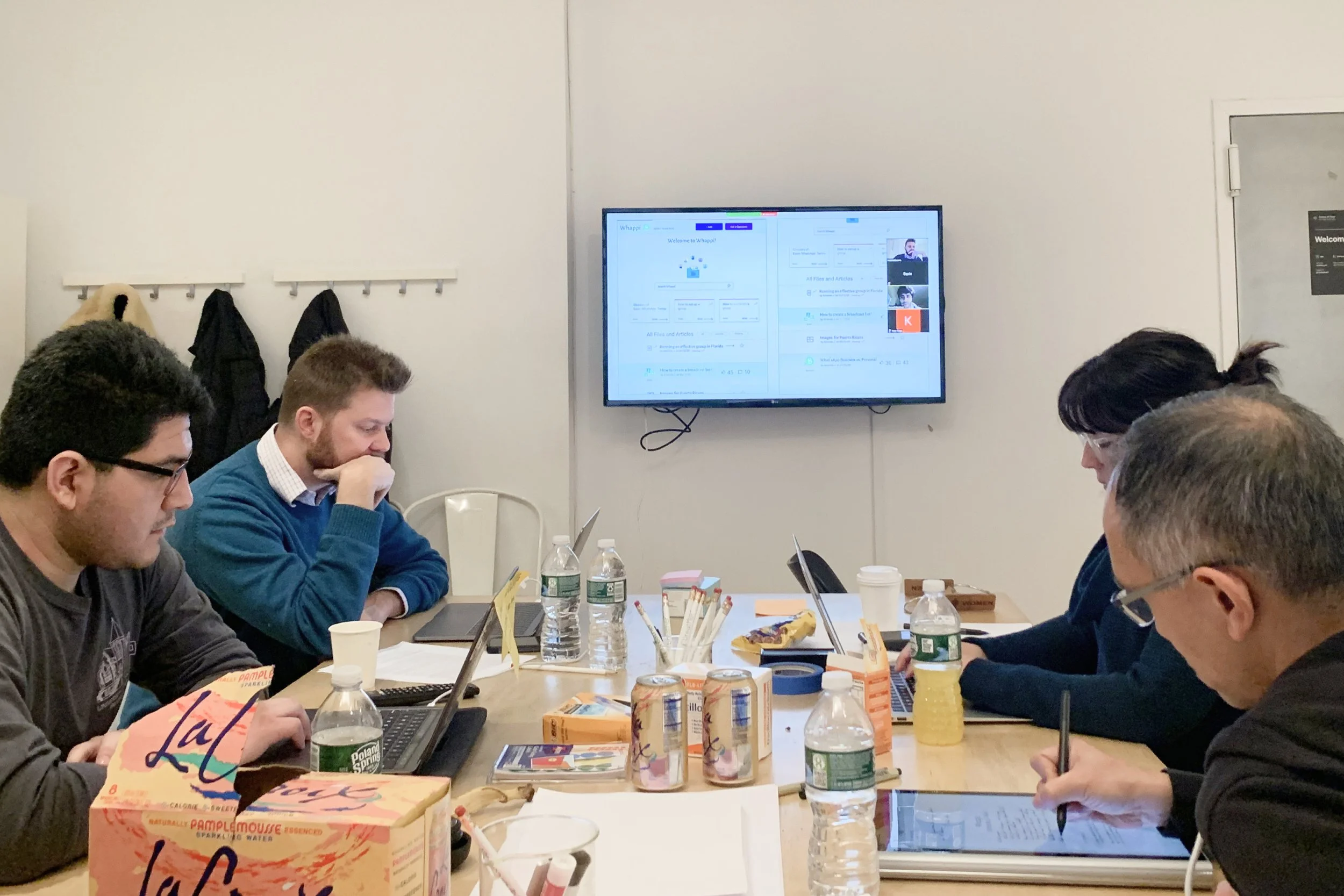
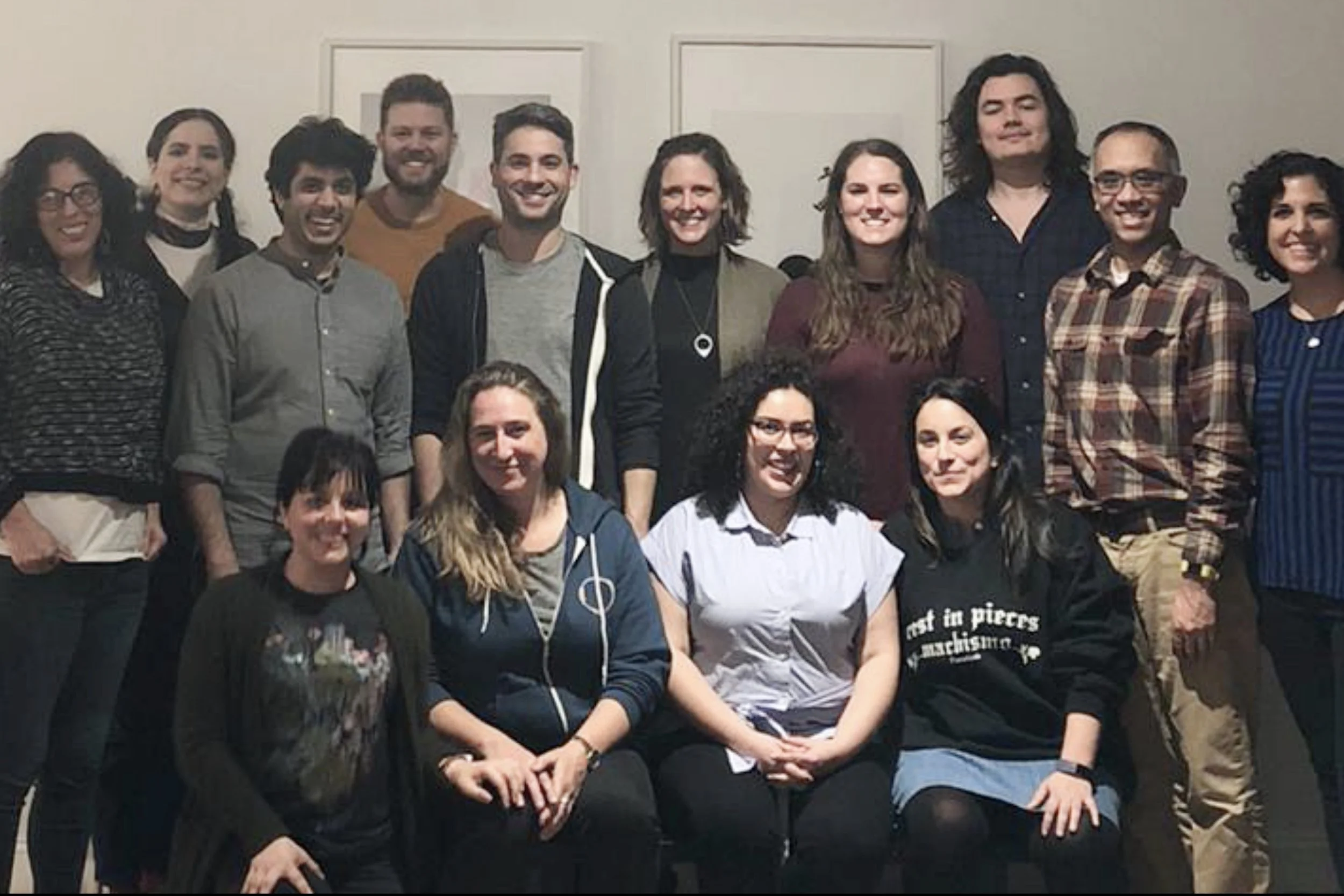
That research shaped a four-day Google Design Sprint in New York that January, run with Pivot Point Studio using the Google Ventures framework. Day one brought eight outside practitioner-leaders — from organizations including Community Change Action, Mijente, the Movement Cooperative, and New Florida Majority — together with the seven-person core team to map the problem and sketch individual solutions. Each participant pitched their own concept, and the group narrowed eight competing ideas down to one through a heat-map vote, speed critiques, and a final supervote. The ideas ranged from a gamified organizing app called El Juego 2020 to an influencer-support tool to a disinformation hotline built in partnership with Univision. The group ultimately chose a WhatsApp Organizer's Portal over a flashier multi-channel dashboard concept because it was simpler to build, testable within a quarter, and worked through WhatsApp groups organizers already used rather than asking them to adopt something new.
Sprint Prototype
The Solution

Working from the client's target audience and goals, my contribution was the synthesis: taking what we knew about those audiences and translating it into how to reach each of them through the digital experience. A business professional taking structured meeting notes. An artist filling a sketchbook. A student doing both. Moleskine's product line served all of them — but they each needed a different entry point into it.
That synthesis drove the exploration of potential interfaces: what navigation and filtering models could guide someone to the right notebook without requiring them to already know what they were looking for. The product discovery framework emerged from that exploration — organized around the range of use cases across the audience, and grounded in the research and product matrix Alana and I built together. I developed wireframes that brought the system to life for the pitch and the build.
The pitch was built around this framework — and so was the build.
The Impact
LBi won the pitch, and the framework I developed carried into the build. The e-commerce experience was in active development when I left LBi to found TEOSANTOS — meaning the conceptual and interaction design work wasn't just a pitch artifact, it became the foundation the team built from. What outlasted the engagement was the relationship with the client team — a pattern that's repeated throughout my career since: the work people remember isn't just what ships, it's the partnership around it.
My Role: Brand Strategy, Interaction Design, Retail & Competitive Research Impact: Pitch won; framework carried into build Client: Moleskine | Agency: LBi | Year: 2013
Then & Now
It's been thirteen years. The tools have changed completely — InDesign and Illustrator then, Figma, Replit, and Claude now — but the constant hasn't: paper. Even this case study started as handwritten notes before it became anything else. There's a phrase in Panama for what that constancy means to me: el papel aguanta todo — the paper holds it all.